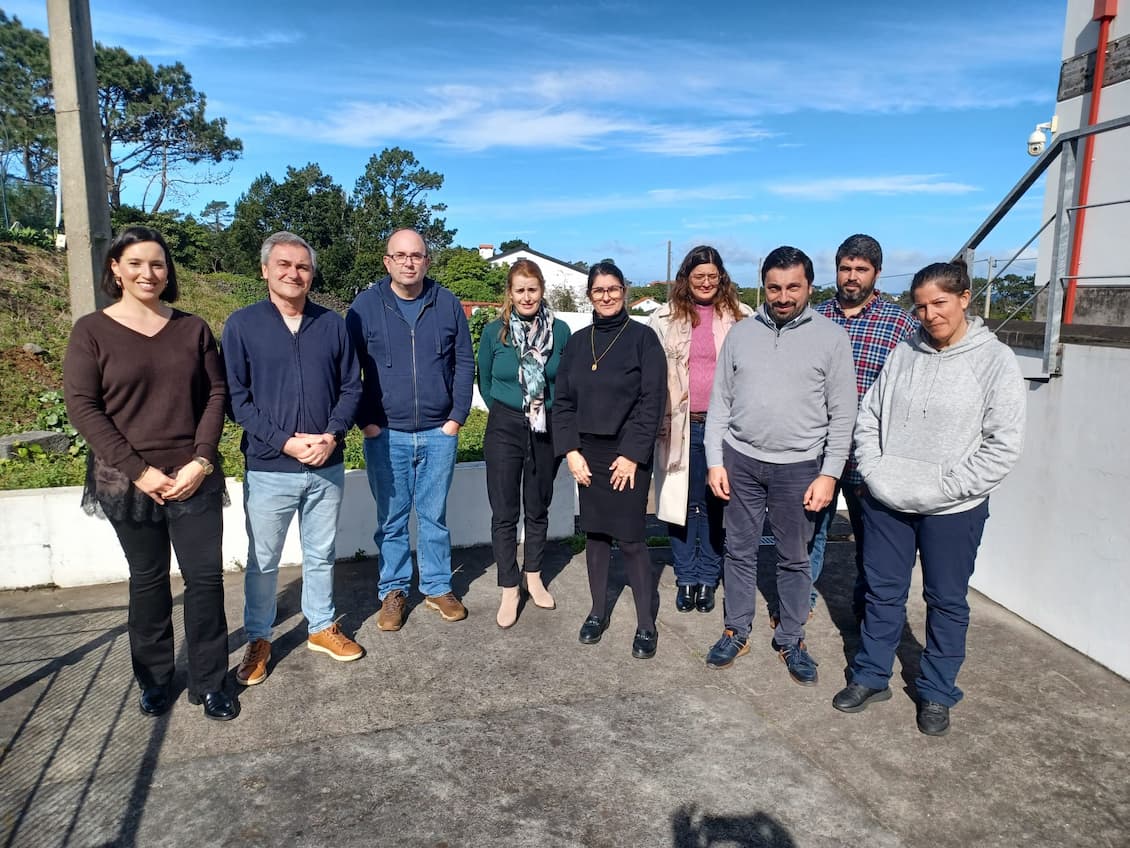
The first workshop on the adaptive management of the Pico Island Nature Park took place during February 2026; this was the first of the annual adaptive management meetings planned for the period 2026-2030 with the team of the Park and the Regional Government of the Azores, that resulted in a reviewed and now more impactful management plan, that is now available at the Nature Returns website.
By analyzing the indicators and data of the area’s Monitoring Plan, the team reported on the activities and results of 2025, reviewed and updated the situation model and the theory of change for the management of the area during 2025-2030, and prepared the annual operational plan for 2026.
The new iteration of the Pilot Plan was added two new activities to the original document: solving the problems of access and parking caused by the expansion of inhabitants and tourists in the area at the places of visitation; and Installing fences for the preservation of natural caves. The Plan now foresees the implementation of 30 priority Activities for the period 2025-2030, divided among 8 main strategies: Technical and scientific knowledge; Information and awareness about the heritage asset; Protection of natural areas; Political decision and financial support; Information and awareness on the island’s biodiversity; Control of invasive species; Predator control; and Training and support for the cultural landscape.
Elaborating the management plan with this methodology, which includes the adaptive management process and the monitoring plan was one of the main activities of the Nature Returns project together with the Regional Government of the Azores. The Pico Island Nature Park is part of the international Nature Returns project, appearing as one of the five pioneering sites selected to test innovative approaches in the management of protected areas, together with the Nature Parks of Lonjsko Polje (Croatia), Príncipe (São Tomé and Príncipe), Shar Mountain (North Macedonia) and Ulcinj Salina (Montenegro). This initiative seeks to transform traditional management models through the integration of entrepreneurial businesses that simultaneously contribute to the mitigation of threats, the enhancement of the territory and socioeconomic sustainability.